Why wedding experience matters when hiring suppliers


Your friend's a talented photographer. Your usual hairdresser does great updos. Your cousin DJs at clubs every weekend. So why not save money and book them for your wedding? Because weddings are different. The pressure is higher, the timeline is tighter, and there's no second take. Suppliers who specialise in weddings know things that generalists simply don't.
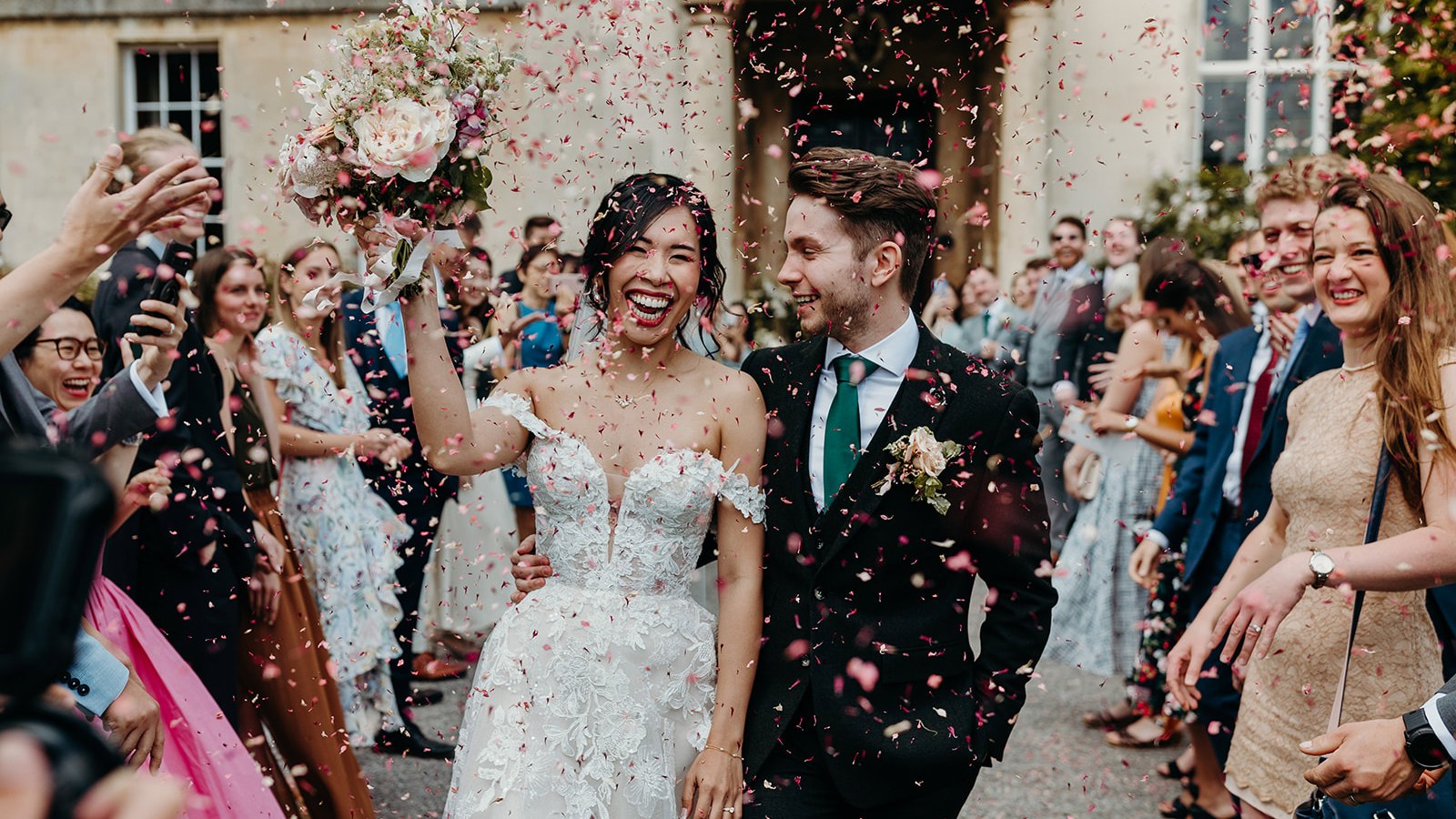
Wedding-specific experience is one of the most important factors when choosing suppliers. Look for photographers with at least 5 years or 150 weddings, and hair and makeup artists who specialise in bridal work rather than general salon services. Wedding suppliers understand timing, coordination with other vendors, and how to handle problems without you ever noticing.
- Weddings aren't like other events: the timeline, pressure, and coordination requirements are unique
- Specialists know the small things: from putting in veils to getting stains out of dresses to knowing when photographers arrive
- Experience means staying calm: when things go wrong (and they will), experienced suppliers handle it without drama
- Ask for relevant portfolios: different venues, lighting conditions, and wedding sizes show genuine range
- Wedding hair stylists aren't hairdressers: they specialise in updos and styling, not cutting and colouring
Why does wedding experience matter for photographers?
Photography is often where couples first consider the experience question. The answer is clear: it matters enormously.
"Wedding experience is absolutely vital," says Alex Tenters, wedding photographer. "You need experience in dealing with different situations, different people, venues, lighting, all of these components that make different wedding days." He recommends asking for "a full portfolio of different style weddings and different days, lighting, etc. to gauge how much experience they actually have."
Simon Biffen puts a number on it: "A wedding photographer who is experienced, I'd say with at least 5 years' experience or 150 weddings shot, will be able to handle any situation thrown at them."
What does that experience actually deliver? Biffen explains: "This could be technical issues such as camera faults or errors. It could be dealing with large numbers of guests for group shots or working out best positions to be in for important parts of the day. Perhaps there are tricky logistics between venues or difficult weather conditions."
The result is a supplier who stays calm. "Someone who can draw on their previous experience will stay calm and composed regardless of what happens," Biffen adds. "You'll feel more relaxed knowing you're in safe hands."
Why is wedding experience different for hair and makeup?
This is where couples often underestimate the importance of specialisation. Your regular hairdresser might be brilliant at cuts and colour, but wedding hair is a different skill entirely.
"A wedding hair specialist is very, very different to a hairdresser," explains Lauren Garfitt, wedding hair and makeup artist. "A hairdresser does cutting, colouring, and some do updo's, but they don't specialise in styling hair. Wedding hair specialists specialise in updos and styles. That's what we spend most of our time doing. All of our knowledge is focused on that one thing."
Sabrina Duparcq of Sabrina Duparcq Hair Artistry agrees: "You could choose your normal hairdresser to do your bridal hair. However, they won't be confident with timings. They won't know as much around what goes on on the morning of a wedding."
But it's not just about hair skills. Wedding specialists understand the entire morning. "There's so much going on," Garfitt explains. "There's florists coming in, photographers arriving, understanding how to schedule a wedding morning, when is best to start getting dressed."
The small details add up. "We understand how to do things like putting a veil in. We've got tips and tricks, like how to get stains out of dresses. We know what products last throughout the day. Most wedding hair and makeup artists are skilled at helping with bridal dresses, making sure the zip and buttons at the back are done up. These can actually be quite complex."
Duparcq summarises: "For the easiest, most stress-free wedding morning, choose a hairstylist who has a lot of wedding experience."
Why does DJ experience matter at weddings?
Club DJs read a crowd. Wedding DJs read a crowd while managing a complex timeline of speeches, food service, photography moments, and family expectations. It's a different job.
"Wedding-specific experience when choosing a DJ is really, really key," says DJ Max G. "A wedding party and a wedding day is really quite different to any other kind of DJing environment."
The difference starts before the music. "The flow of the day, the intricacies of speeches, food, different sections of entertainment that happen during the afternoon into the evening, are quite specific to weddings," he explains. "A DJ having experience of how that tends to work and being able to contribute to planning discussions is absolutely critical."
Even the evening party itself works differently. "The party in the evening is very different to any other kind of party. Evening food, photographs, sparkler moments, key members of the wedding party leaving, all influence what's happening on the dance floor. The DJ needs to respond to that and understand when to bring the party down a little bit and reset the room, and when to really crack on and provide the energy."
How do you assess experience when booking?
Ask to see full wedding galleries, not just highlight reels. Tenters recommends looking at "different style weddings and different days, lighting, etc." This shows whether they can handle your venue, your season, and your guest count.
For hair and makeup, Garfitt suggests focusing on their understanding of the morning flow. "Making sure your specialist is professional, has lots of experience, understands the importance of being on time, has a prepared schedule, has a very clean kit, and can provide for all different hair types and skin types."
For DJs, Max G recommends discussing the full day. Can they "contribute to planning discussions" about timing? Do they understand "where there might be challenges with regards to setting kit up, moving kit, how long these take"?
What experience level should you look for?
Different suppliers, different thresholds. Here's what the experts suggest:
Frequently asked questions
Can I use my regular hairdresser for my wedding?
You can, but there are risks. "They won't be confident with timings," warns Sabrina Duparcq. "They won't know what goes on on the morning of a wedding." Wedding hair specialists focus entirely on updo's and styling, giving them deeper expertise in exactly what you need.
How many weddings should a photographer have shot?
Simon Biffen suggests "at least 5 years' experience or 150 weddings." At that level, they've encountered most problems and know how to handle them calmly. For newer photographers, ask to see a range of wedding work and check they have backup equipment and contingency plans.
Does a club DJ have enough experience for a wedding?
Not necessarily. "A wedding party is really quite different to any other kind of DJing environment," explains DJ Max G. The coordination with speeches, food, and photography moments requires specific experience. Ask about their wedding portfolio specifically.
What if I want to support a newer supplier?
That's fine, but go in with realistic expectations. Ask more questions about their backup plans, check their insurance, and consider whether they've assisted at weddings before going solo. Newer suppliers often charge less, which can be a fair trade-off if you're comfortable with the risk.
Is experience more important than style fit?
Both matter. A highly experienced supplier whose style doesn't match yours won't make you happy. But between two suppliers whose work you love equally, the more experienced one will likely handle the day more smoothly.
- Wedding suppliers don't just do the same job they'd do elsewhere. They do a specialised version that accounts for tight timelines, coordination with multiple vendors, high-pressure moments, and no opportunity for reshoots.
- Experience isn't about snobbery or gatekeeping. It's about having someone who's seen problems before and knows how to fix them without you ever noticing. When your photographer's camera fails, your hair starts falling, or the dance floor empties, you want someone who's handled it a hundred times before.
- Ask for portfolios. Ask about specific weddings they've worked. Ask how they handle things going wrong. The answers will tell you everything you need to know.