Venue questions worth asking before you book


The venue is usually the biggest single booking you'll make, and the viewing is often the least equipped hour of the whole process: you're shown the pretty rooms, you nod, and the questions that actually matter occur to you in the car on the way home. Two venues answer them here, on the record.
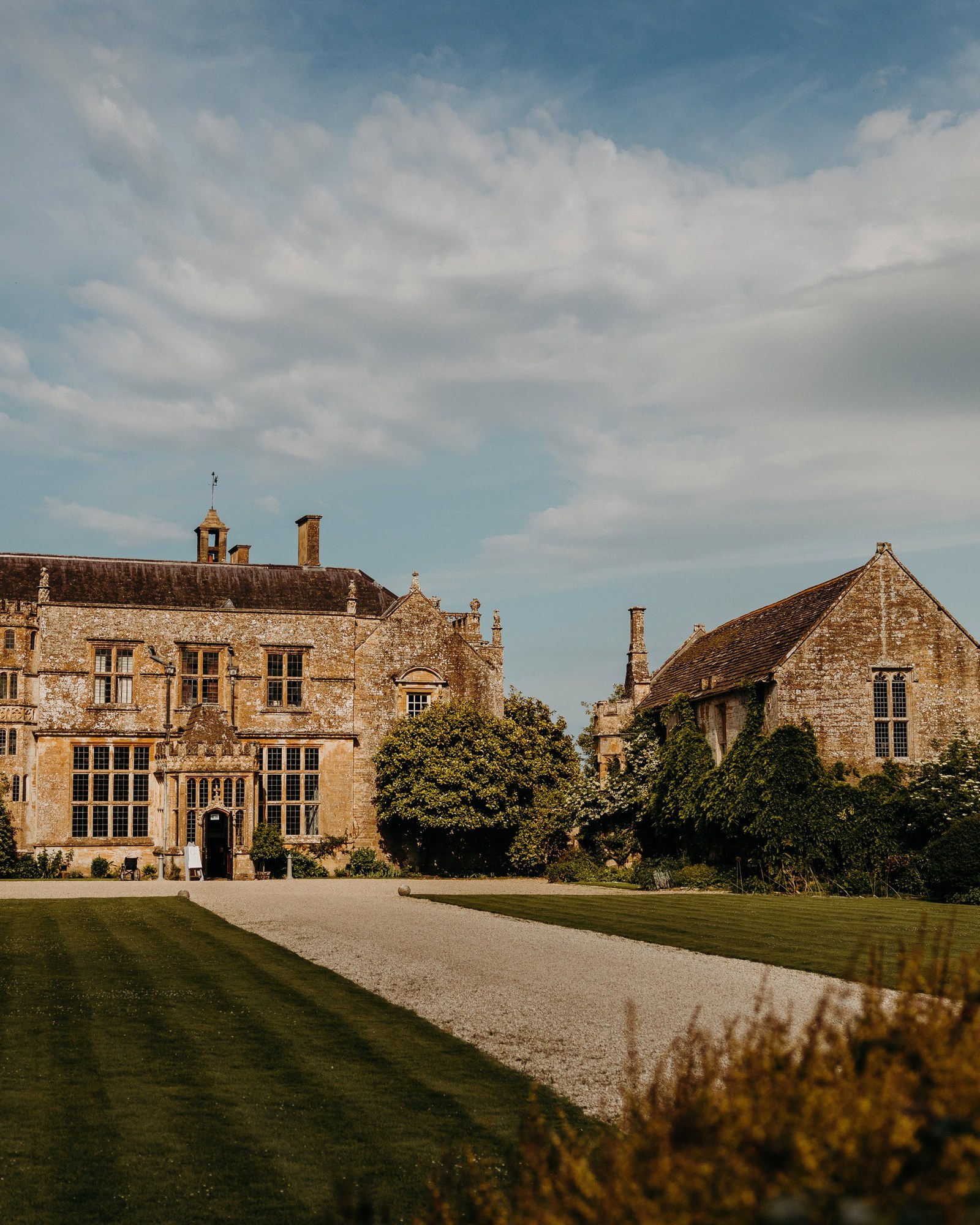
Ask three things at every viewing. Whether the hire is genuinely exclusive, and for how long, since "exclusive" can mean a whole weekend or the ceremony hour only. What the capacity really is, because it's usually three different numbers for ceremony, dining and evening. And what the contract says if the venue itself has to cancel, before you need to know.
- Exclusive use ranges from a full weekend to the ceremony slot only. Ask for the hours, not the word.
- Capacity is three numbers, not one: ceremony, wedding breakfast, evening. The ceremony figure is usually the smallest.
- A venue's maximum and its comfortable number are not the same thing. Ask for both.
- Most venues won't let you fix anything to walls or ceilings. Self-standing decor is the safe assumption.
- If a venue cancels for reasons within its control, it refunds you. For fire and flood, your wedding insurance carries it, so take some out.
What does exclusive use actually mean?
Less than you might assume, unless you ask.
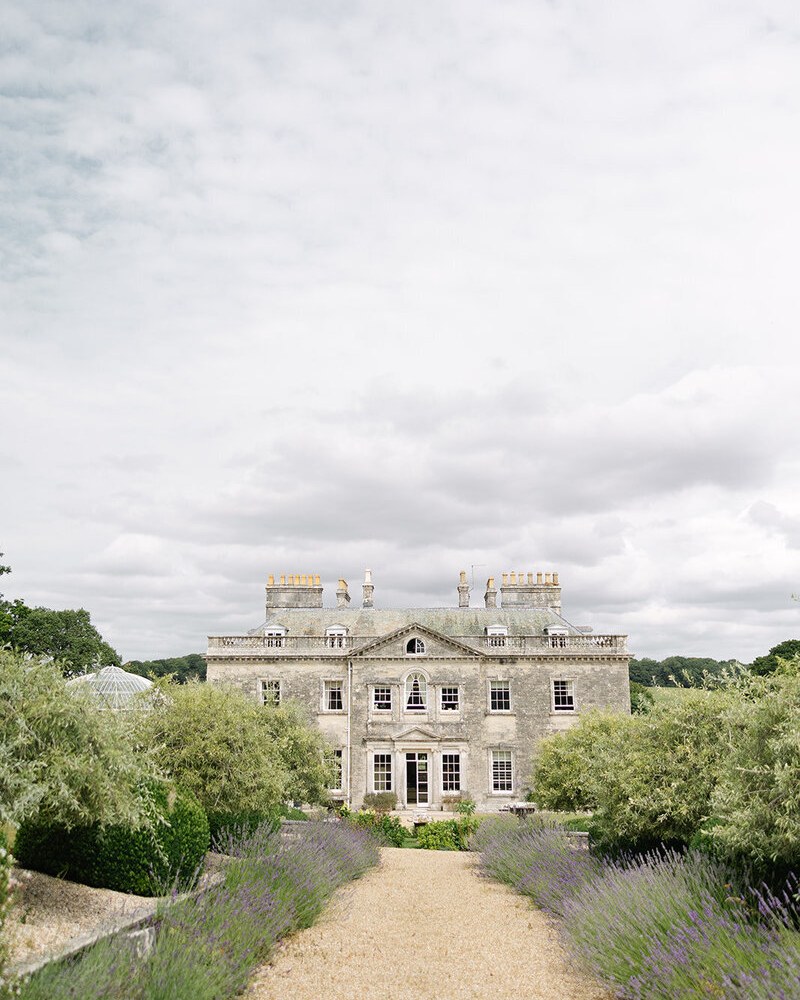
"Not all venues do offer exclusive use, and there will be a big difference in price if it's exclusive or non-exclusive," says Brympton House. "An exclusively used venue essentially means it's just yourselves, family and friends on site, and it means that there'll be no other wedding happening at that venue. This could be for 24 hours or it could just be for the ceremony time only. So it will be very dependent on the venue."
That range is the point. Two venues can both say "exclusive use" and mean a whole weekend in one case and a single protected hour in the other. Brympton House also flags the small print that sometimes rides along: "potentially you might need to book out all of the accommodation on site," though at Brympton itself there's no minimum number of bedrooms.
Came House describes the fuller version. "Exclusive use of the house and the grounds, and only you and your guests will have access, from the moment you arrive on Friday afternoon through to departure on Sunday afternoon." They cap the diary to make that work: "usually between 18 to 20 weddings" a year, "which just ensures we can provide our undivided attention to the couple and their guests without worrying about another event happening in another room."
So the question at a viewing isn't "is it exclusive use?" It's "exclusive from when to when, and is anyone else anywhere on site?"
An exclusively used venue essentially means it's just yourselves, family and friends on site. Normally it means you'll be paying more.
Why is capacity three different numbers?
Because the rules change room by room, and the strictest room wins.
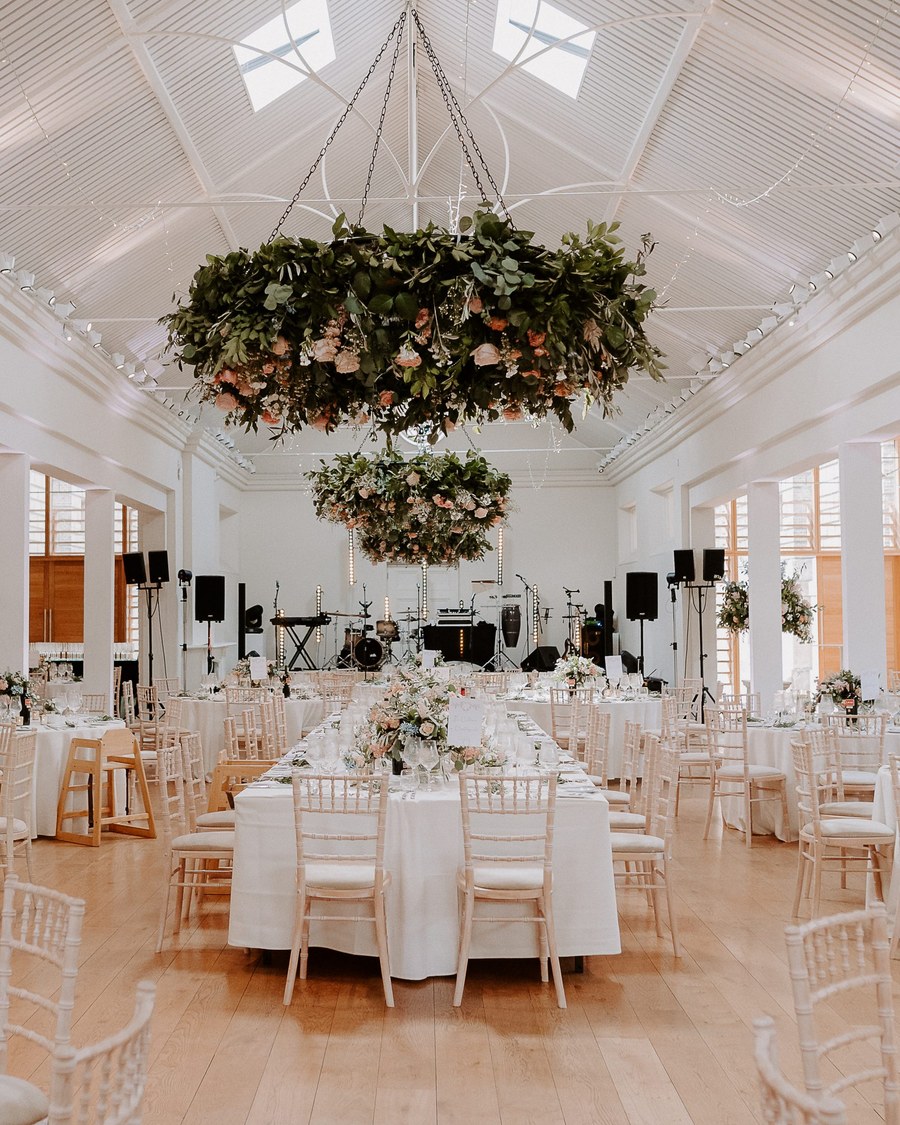
"Venue capacity is usually split into three different figures and they are rarely the same," says Came House. "The ceremony space is usually the lower capacity of the three. All guests need a seat, and the space is usually fixed or tightly spaced. You also have to take into consideration the aisle, the registrar requirements and the fire regulation." The wedding breakfast space runs higher, and the evening space higher again, since "there are no fixed seating requirements."
At Came House that's 165 seated in the conservatory for a ceremony, about 200 in the marquee for dinner, and more again in the evening. If a venue quotes you one number, it's worth asking which of the three it is.
Then there's the gap between what fits and what's comfortable. "When we assess, we always try to start small and work up until we find our comfortable number," Came House explains. "Comfortably we can seat between 160 to 200, but our maximum is 220. However, our maximum number does mean we have to utilise the dance floor for tables, and the team then have to remove the tables before the evening reception can begin."
That's what a maximum often costs: not squeeze, but logistics you'll feel on the day.
Brympton House adds a detail almost nobody thinks to ask about: the shape of the tables. "On banqueting tables you can actually accommodate more guests, because the tables don't take as much floor space in the room. Whereas if you're on round tables, your guest numbers on the tables may be slightly less."
Can you hang decorations from the walls or ceiling?
Assume no, then be pleasantly surprised.
"Most venues probably won't permit you to attach anything to the venue itself, the physical structure," says Brympton House. "If you're looking at a listed venue, then it will be very difficult to hang from the building, the walls, the ceiling or the windows, because there will be protection in place for the building. So normally self-standing is preferred."
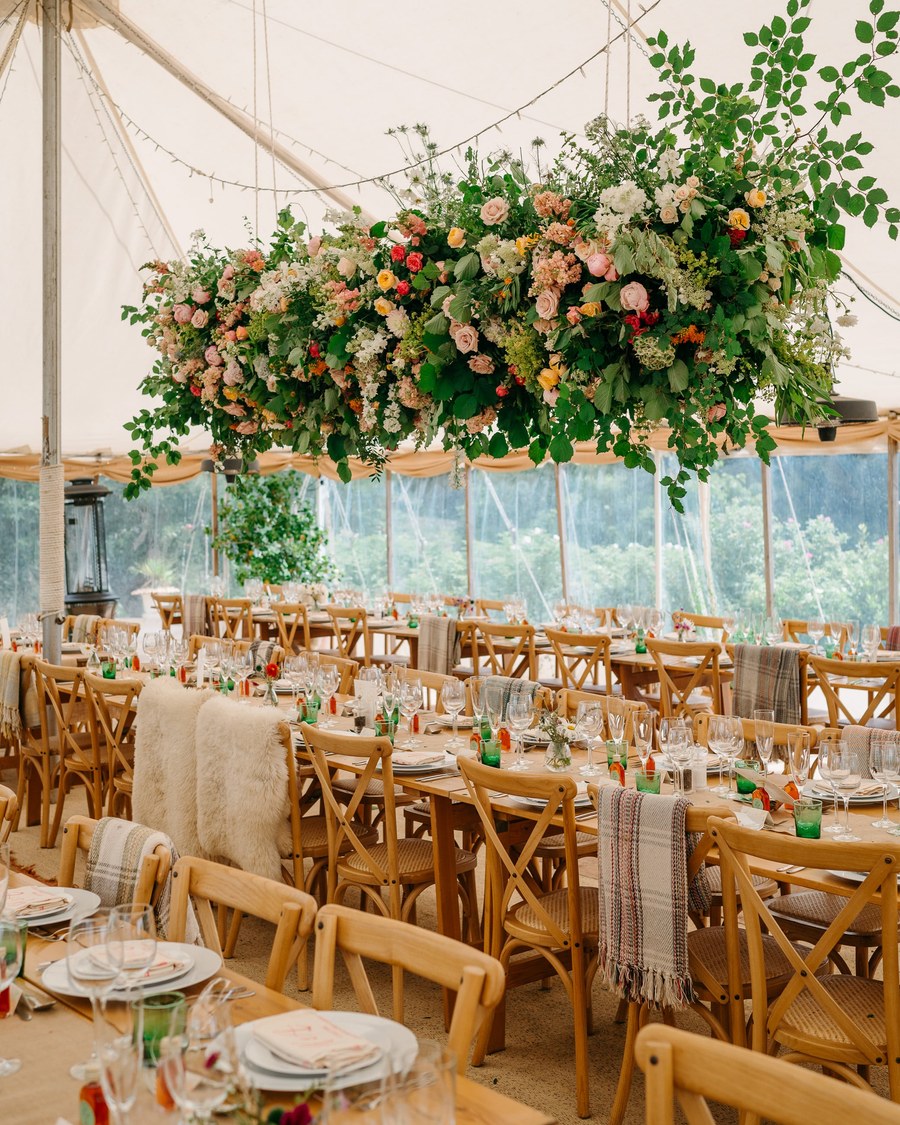
Where the answer is yes, it's because the venue has built for it. "We have a pulley system in our conservatory, which I have seen many decorations hanging from, chandeliers, floral hoops, fairy lights, you name it," says Came House. "There are, of course, weight limits due to health and safety, but we'll always work with couples' suppliers in order for the couple to fulfil their vision."
The practical move: if hanging installations matter to your plans, ask the venue *and* tell your florist which venue it is before they design anything. A suspended floral cloud priced for a pulley system doesn't survive contact with a listed ceiling.
When we assess capacity, we always try to start small and work up until we find our comfortable number.
What happens if the venue cancels on you?
Nobody wants to raise this at a viewing, which is exactly why it belongs in your questions.
"In the very unlikely case that a venue would need to cancel, the venue would be liable for the cost, because they have cancelled on you," says Brympton House. "Normally this is extremely rare and would only happen in cases of something extraordinary, a pandemic or something very serious to the venue, like a fire, in which case most venues would look to relocate or postpone and offer you a like for like."
Came House draws the same line their contract does, and it's the line to understand. Cancellation within the venue's control: "payments made by the client up to that point will be refunded in full." Cancellation for matters genuinely beyond it, flood, fire, storm damage, contagious disease, making the venue unusable: "the client would be required to apply to their wedding insurance company to refund any costs paid. Within our Ts and Cs we always ask that clients do take out their wedding insurance, just so that they are covered at all times."
Read that clause in any contract you're offered, and buy the insurance. It's the cheapest thing on your entire budget list.
Frequently asked questions
Can another event happen at the venue on our day?
At a genuinely exclusive-use venue, no. "We only ever host one wedding at a time, and this is the case if you're having a multi-day wedding," says Brympton House. If a venue's answer is anything other than a flat no, ask what shares the site and when.
Is a weekend hire worth it?
It changes the shape of the day rather than just extending it. Came House's Friday-noon-to-Sunday-noon hire means setup, the wedding and a slow departure happen without another couple's schedule pressing on yours.
Should we plan for the venue's maximum capacity?
Plan for the comfortable number and treat the maximum as contingency. At the maximum you're often trading the dance floor or the room's breathing space to fit the tables in.
Do round or long tables fit more people?
Long banqueting tables usually seat more in the same room, because they waste less floor space. If your list is pressing against the limit, ask the venue to replan the room before you cut guests.
What actually makes a wedding memorable?
Flow, according to both a venue and a planner. "Making sure the day flows really nicely and your guests are not waiting," says Brympton House. "It's a story," says Bellissimo Weddings. "It's got a beginning, a middle and an end. Making sure there's no awkward lulls where they're waiting for food or drinks."
- Most venue disappointment isn't about the building. It's about the gap between the word on the brochure and the hours in the contract: exclusive that wasn't quite, a capacity that technically fit and practically didn't, a hanging installation with nowhere to hang. All of it is askable in one viewing, and a good venue answers without flinching, because the good ones wrote these answers.
- Take the three questions with you: exclusive from when to when, which capacity is that number, and who pays if you have to cancel on each other.