Working with a wedding florist: from first consultation to wedding day


Booking a florist is one thing. Understanding how to work with them over the following months is another. Unlike suppliers you meet only on the day, your florist relationship develops over multiple conversations, consultations, and refinements. Here's what that journey looks like and how to make the most of it.
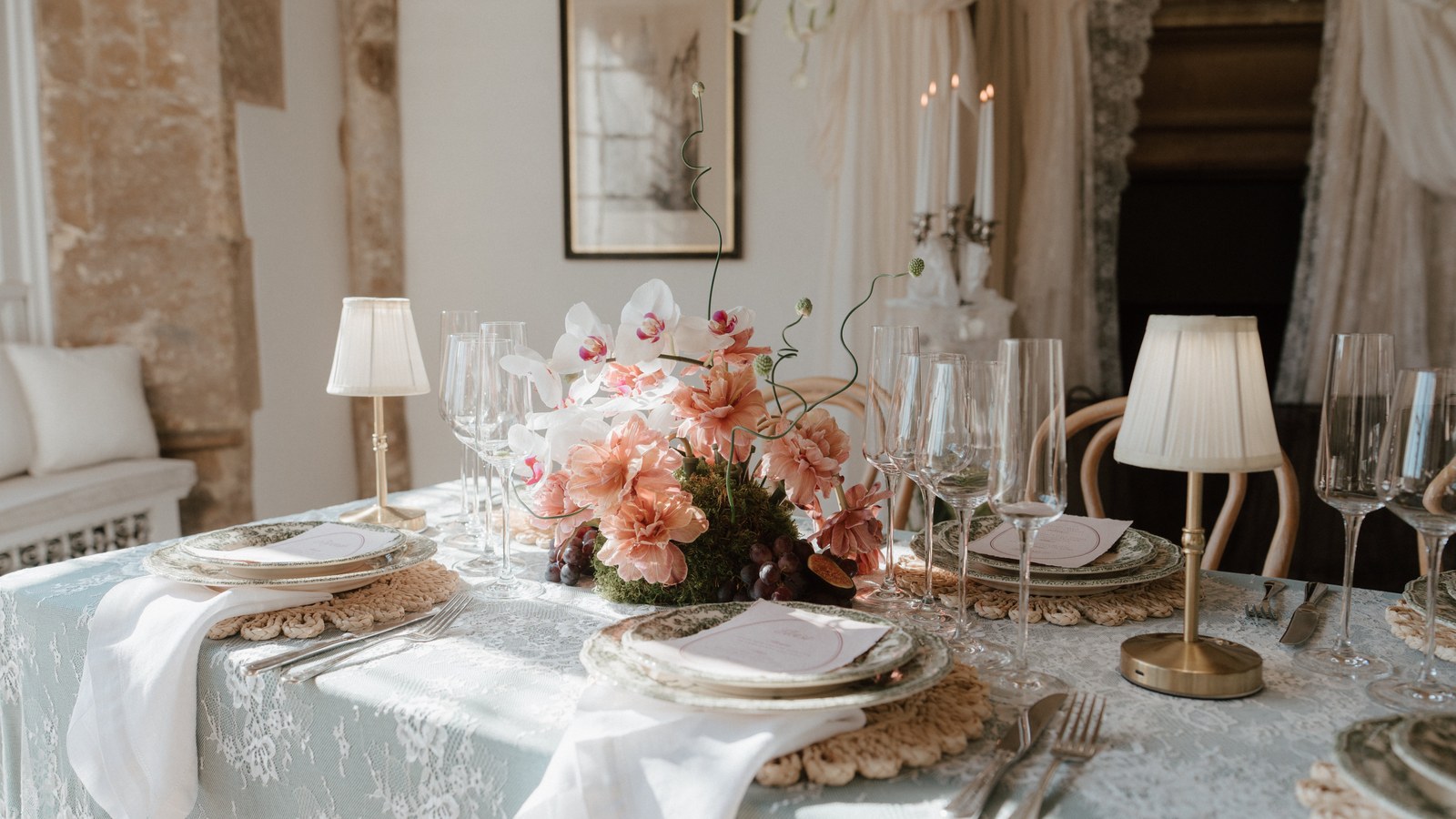
Working with a wedding florist typically involves an initial consultation (in person or virtual), followed by a proposal and mood board. Deposits range from £500-£1,000 for standard weddings. Final details are confirmed 3-4 weeks before the wedding, with the florist delivering and setting up on the day. The more information you share early, the better your flowers will match your vision.
- First step: Enquiry with availability check, often with Pinterest boards or initial ideas - Consultation: In-person or virtual, where you discuss the full day from ceremony to reception - Proposal: Mood board and quote based on your consultation - Deposit: £500-£1,000 for weddings with £2,000-£15,000 floral budgets - Final confirmation: 3-4 weeks before, with small changes (buttonholes, etc.) still possible - Wedding day: Florist delivers, sets up, and often checks in with you personally
What happens at the first consultation?
The consultation is where your floral vision takes shape. Good florists use this time to understand far more than just what flowers you like.
"The first point of contact tends to be the initial enquiry and availability check," explains Lavender Green Flowers. "At that point, either the bride or groom already has a really good idea of what they might want, in which case they might send across a Pinterest board or a mood board with a breakdown of the items they want."
For couples who aren't sure yet, there's a different approach: "More commonly, we invite couples in for a bespoke design consultation, which can be done virtually or in person, where we run through the course of the day together, from wedding party flowers to ceremony, drinks reception, dinner flowers, even after party if flowers are wanted there as well."
Wonderland Blooms describes a more personal approach: "From your initial chat with me, moving into consultation, where I provide you with a mood board and then a quotation for the flowers for your day. We then would move on to have site visits together, meetings which might include family members and parents, and really build the floral story up to the day."
What information should you bring to the consultation?
- Pinterest boards or inspiration images (even if you're not sure what you want)
- Your venue (photos help if they haven't worked there before)
- Colour scheme or themes you're considering
- Dress style (neckline and silhouette affect bouquet choices)
- Season (affects what's available and pricing)
- Budget range (helps them suggest appropriate options)
- Any allergies (this matters more than you might think)
How do florists handle allergies and hay fever?
If you or your partner suffer from hay fever, tell your florist early. This affects flower selection more than most couples realise.
"If couples suffer with allergies or hay fever that is likely to affect them on the wedding day, we always advise that they let their supplier know in advance," says Lavender Green Flowers. "This means their supplier can essentially avoid any highly pollinated varieties such as lilies or any irritant varieties."
Some flowers can cause physical reactions too: "Oxypetalum, for instance, has a sap that's quite irritating if you get it on your hands. If there's anything that sets you off in particular, such as grasses, we will obviously not include those."
The good news: "It's fairly easy to avoid those sorts of varieties that are really, really highly pollinated and likely to set off allergies."
How do bridesmaids' bouquets work with the bridal bouquet?
Your florist will coordinate the full wedding party, not just your bouquet.
"Bridesmaids' bouquets are often seen as a reflection of the bride's bouquet," explains Lavender Green Flowers. "We really want that wedding party to all tie in together nicely."
There are several approaches: "Bridesmaids can hold smaller versions of the bridal bouquet. If there's a fun colour scheme going on, it's quite fun to have the bride having just a white and green bouquet and then the bridesmaids having colour in theirs, or vice versa."
Another option: "Each of the bridesmaids carries a single variety that's contained within the bridal bouquet. So if we've got a bridal bouquet full of pink flowers, the bridesmaids might each carry a different single pink variety."
What about fresh flowers in hair?
If you're planning to wear flowers in your hair, coordination between your florist and hair stylist matters.
"You'll need to let your florists know that you're planning on wearing flowers in your hair, because they'll be able to create hair accessories with fresh flowers," advises Lauren Garfitt, wedding hair and makeup artist. "They need to be sort of smaller pins."
Size is the common problem: "A problem that we tend to have when putting flowers in the hair is florists sometimes do them too large. What you ideally want is smaller flowers on about 10 different pins, with a variation of the flowers and maybe some green as well, so that we can customise the placement."
Sabrina Duparcq of Sabrina Duparcq Hair Artistry adds a caution about flower crowns: "A lot of ladies choose them for their flower girls, but on little ones' heads, they're often extremely heavy and very hard to secure, so I would steer away from those for flower girls."
For the bride: "Single, singular flowers as long as they're really small can easily be pinned into updos. Sometimes if they're really small, they can be used for half-up styles as well."
What are typical deposits and payment schedules?
Florist deposits scale with the size of your floral budget.
"Depending on the size of the wedding, we typically ask for between a £500 to £1,000 deposit for a normal sized wedding," explains Lavender Green Flowers. "That can be anywhere between a £2,000 and maybe £15,000 budget."
For larger weddings: "Anything upwards of £15,000, we're looking at more like a £5,000 deposit, potentially about 20% of the revenue. For larger weddings, we tend to add a middle payment date, around 3 months prior, with an additional balance paid there."
When are final details confirmed?
You don't need everything decided months in advance. Final confirmations happen closer to the day.
"Final timelines tend to work to final confirmation three to four weeks before the wedding date," says Lavender Green Flowers. "That's sort of no changes from that point on, bar smaller changes such as buttonhole numbers or additional bouquets or cake flowers being added on. But the bulk of the wedding being signed off."
This timeline gives you flexibility to make final decisions about bridesmaids, guest numbers, and other details that might affect your flower order.
What happens on the wedding day?
Your florist doesn't just drop off flowers and leave. They typically manage the entire floral setup.
"When it comes to the wedding day, I come to see you the bride first, just to put your mind at rest," says Wonderland Blooms. "Then myself and my team would then go and floral up the wedding, delivering the bridal bouquets at the end and wishing you all the best."
This personal touch is common among wedding florists. They want to see their work in context and ensure everything is perfect before the ceremony.
Frequently asked questions
How far in advance should we book a florist?
For peak season Saturdays, 9-12 months is advisable. Popular florists book up quickly, especially for summer weddings.
Can we bring our own vases or containers?
Usually yes. Discuss this at your consultation. Many florists can work with items that have sentimental value or match your decor.
What if flowers aren't in season?
Your florist will advise on substitutions that achieve a similar look. Alternatively, importing is possible but may affect pricing.
Do florists provide setup and breakdown?
Most wedding florists include setup. Breakdown varies, so clarify whether items need collecting and when.
Can we repurpose ceremony flowers for the reception?
Often yes. Discuss this during planning. It can be a good way to maximise your floral budget.
- Working with a florist is a collaborative process that develops over months. The consultation sets the foundation, but the relationship continues through site visits, refinements, and final confirmations. Be honest about your budget, share your vision (even if it's vague), and trust your florist to translate inspiration into reality. They do this every week and know what works.
Expertise from