How to choose the right wedding photography style for you


Scrolling through wedding photography portfolios can be overwhelming. Some photographers capture candid laughter; others create dramatic posed portraits. Some images look bright and airy; others are moody and dark. Understanding the different approaches helps you find a photographer whose work you'll genuinely love, not just one who was available.
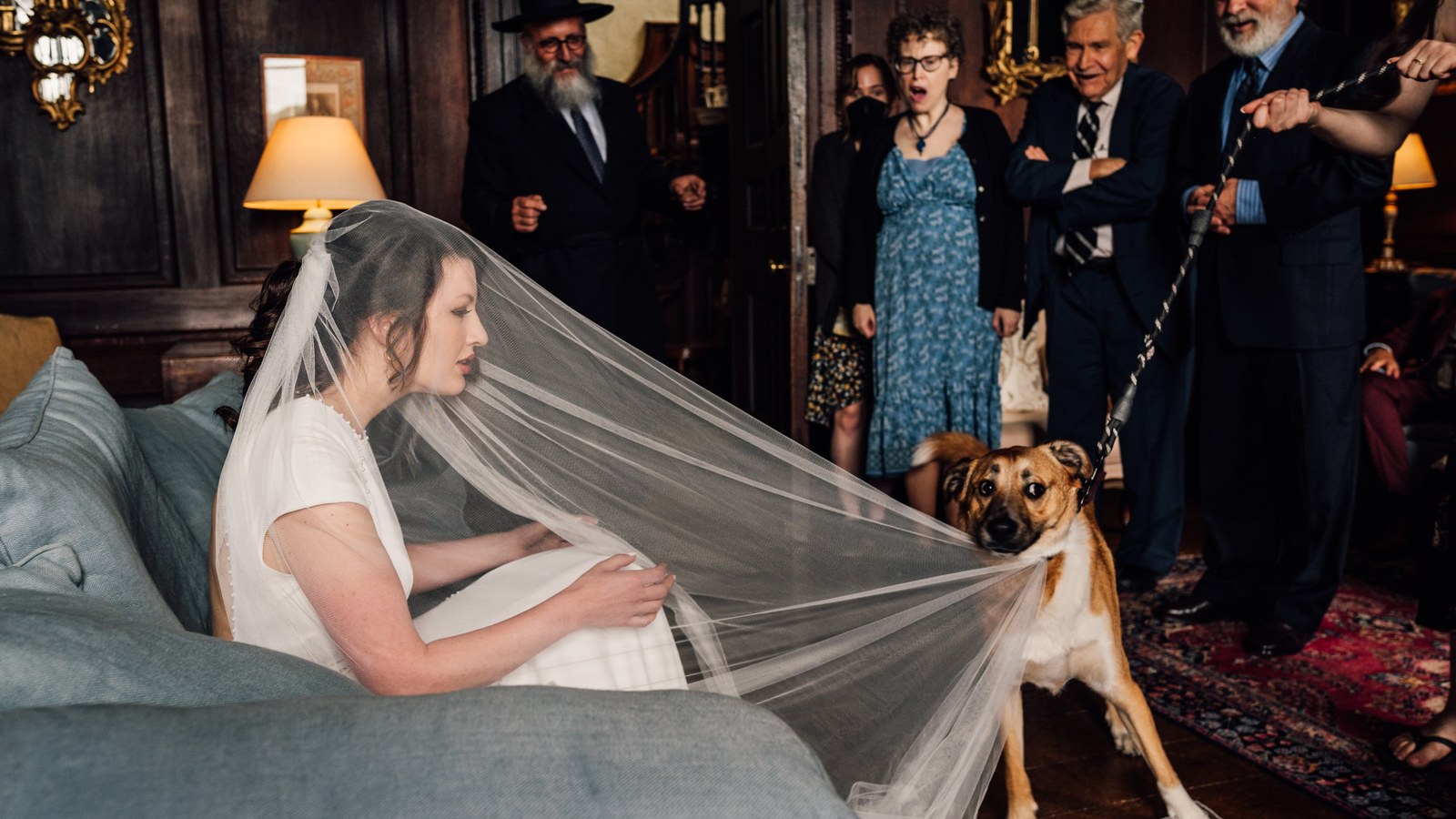
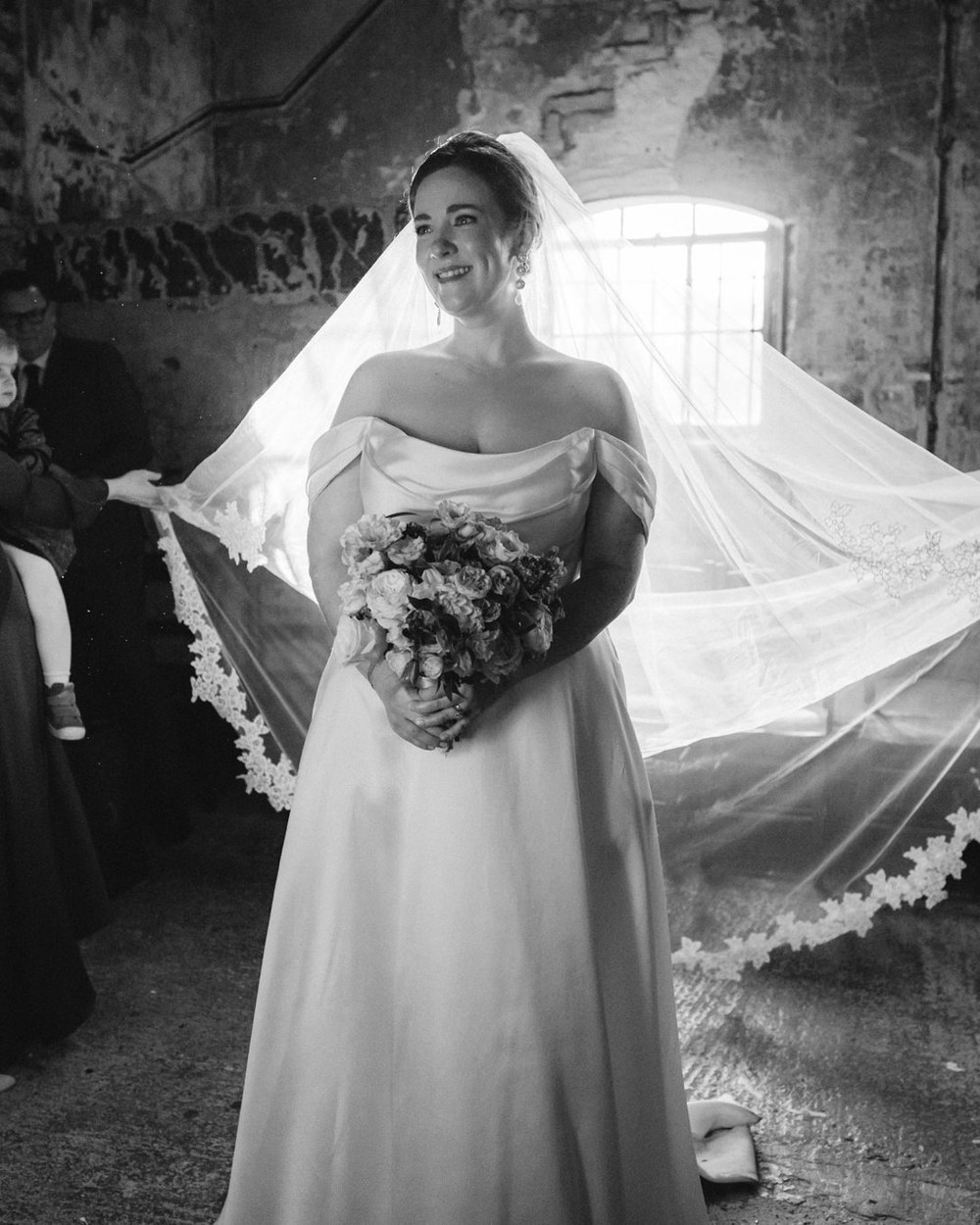
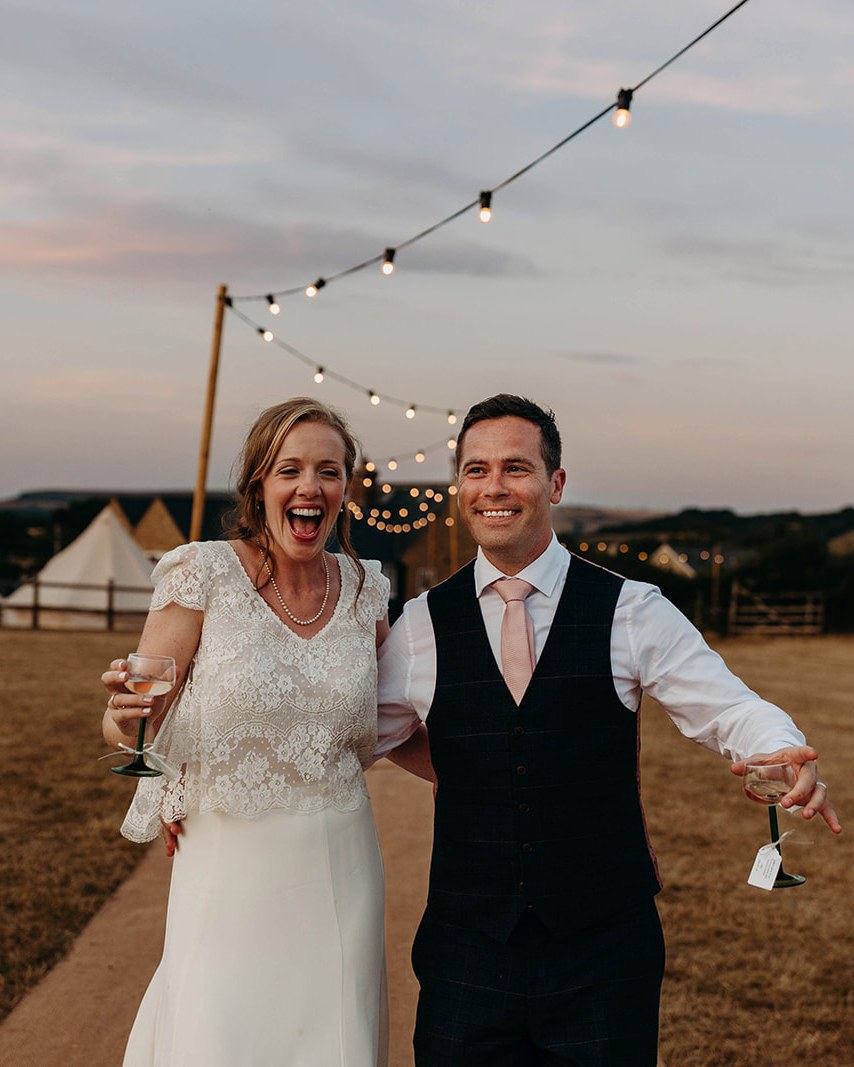
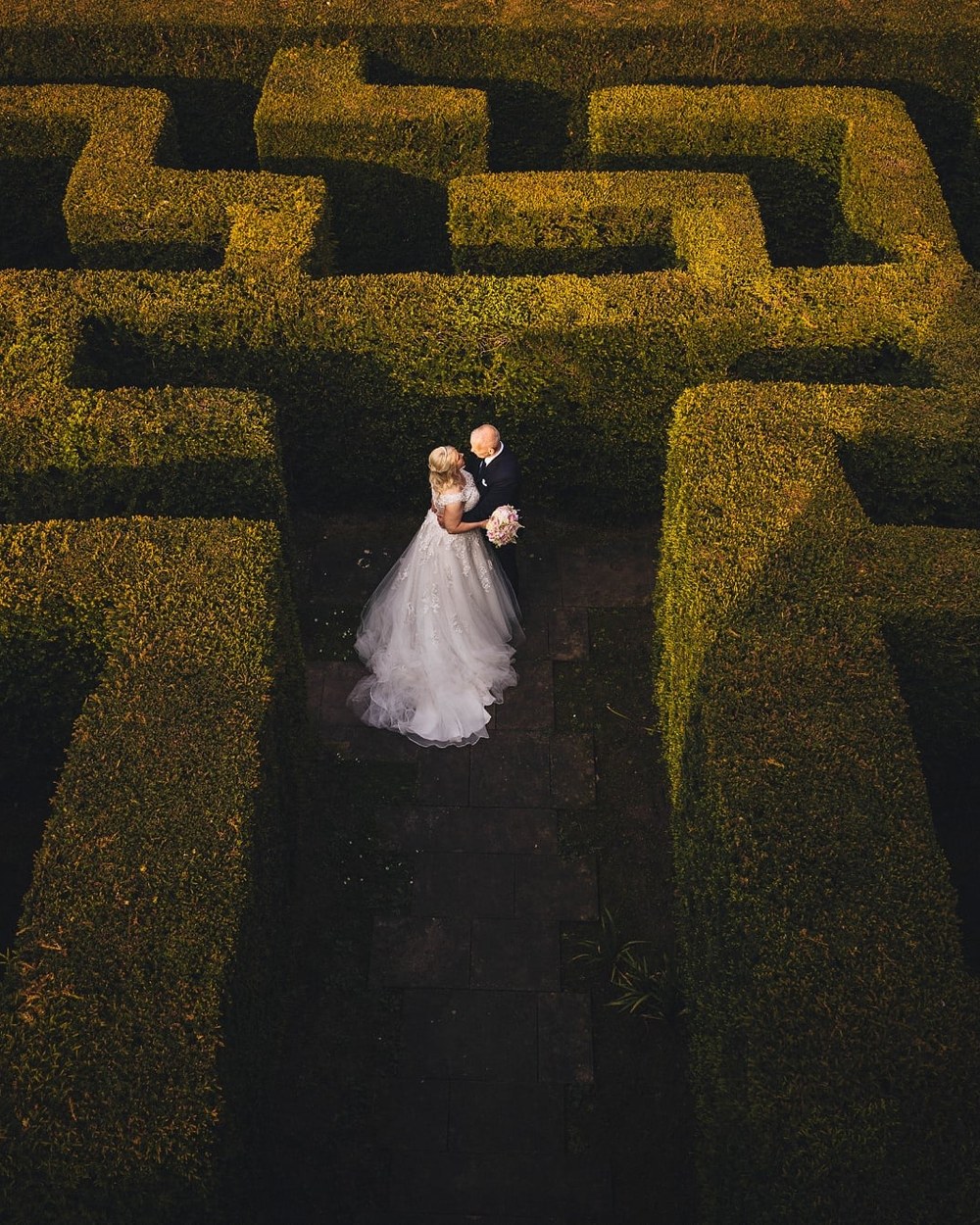
Start by thinking about what you want to see in your wedding photos. Documentary/reportage photographers capture natural moments without directing you. Traditional photographers focus on posed group shots and formal portraits. Most photographers blend both styles. Look at portfolios until one gives you a gut feeling that it's right. That instinct matters.
- Documentary/reportage: Natural, unposed moments captured as they happen
- Traditional: Directed poses, formal group shots, classic portraits
- Fine art/editorial: Creative, magazine-style shots with artistic direction
- Most photographers blend styles: Ask which approach they lean towards
- Editing style matters too: Bright vs moody, colour vs muted tones
- Trust your gut: If you love what you see in their portfolio, you'll love your photos
How do you work out which style fits you?
This can be one of the hardest decisions. But it starts with a simple question.
"First of all, it is probably a good idea to think about what it is you imagine seeing from your wedding photos," suggests Simon Biffen, wedding photographer. "Are the pictures that you want to see creative group shots? Is it going to be moments of connection between your friends and family? Is it going to be detail shots and styling, posed couple shots?"
Your answer will point you towards certain types of photographers: "Depending on the direction that you lean towards is going to have a big influence on the type of photographer that's going to suit you."
Alex Tenters, wedding photographer, emphasises the importance of emotional response: "Couples just need to research online, Instagram, social media, and figure out what style they want most. A photographer's work should evoke a feeling within the first 5 to 10 frames on someone's website. It should almost be a gut reaction as to how you find the photography style that fits you."
If you're scrolling and feel nothing, keep looking. When you find the right one, you'll know.
What is documentary/reportage wedding photography?
Documentary photographers capture what's happening without directing it. They're observers, not directors.
"We're documentary photographers, so our whole approach is about helping people feel comfortable in front of the camera by really living their wedding day as if we weren't there," explain The Mateers, documentary wedding photographers.
This style means less posing and more natural moments: "We just let a couple get on with enjoying their wedding day, not planning things for us, planning things for them and their guests, having the best day possible, the way that they want it, without thinking about a template that they should adhere to for the photographer."
For couples who hate being directed or feel awkward posing, documentary style removes that pressure entirely.
The Mateers describe themselves as "the least high maintenance supplier you could ever choose. We're just there to photograph whatever they have planned." There are no lengthy pose sessions or strict timings to follow.
Do documentary photographers still do group shots?
Usually yes, but minimally.
"If you've chosen a documentary photographer like us, we don't ask for a shot list," The Mateers explain. "We would find a shot list inhibitive. It would be at the back of our minds and get in the way of us capturing natural moments and going with the flow of the day."
However: "All we ask for is a simple list of group shots, if the couple want group shots. Not every couple does."
The difference is approach. Documentary photographers keep group shots brief and efficient rather than making them the focus of the day.
What about editing and colour styles?
Photography style isn't just about what's photographed. It's also about how images are processed.
"A photographer's editing style really is their unique perspective on how they want their images to look," explains Simon Biffen. "When you are looking at their work, whether on social media, their portfolio, or wedding galleries, really see if it is a style that resonates with you."
Some photographers edit bright and airy with lifted shadows. Others prefer moody, dramatic processing with deeper tones. Some desaturate colours; others boost them.
"Sometimes you get a feeling for a look that you like. Each photographer will have a method of editing their images that is unique to them."
And importantly: "It is unlikely that a photographer will change everything about how they edit according to your needs." What you see in their portfolio is what you'll get. Don't book someone hoping they'll change their style for you.
Should you ask photographers about retouching?
If specific retouching matters to you, ask directly.
"When it comes to retouching and editing styles before booking, you can get a good sense just from someone's portfolio as to how much they retouch and edit," says Alex Tenters. "However, if that's important to you and you want your photos retouched, you should be asking what software they use, how much they retouch, and what limits they have."
Questions to consider: Do they remove distracting backgrounds? Fix skin blemishes? Remove fire exit signs? These specifics vary between photographers.
How does venue lighting affect style?
Darker venues present challenges that photographers handle differently depending on their approach.
"A darker venue might mean that you need to use more lighting, more flash. It's as simple as that," explain The Mateers. "However, it really comes down to the style and approach of the photographer."
Documentary photographers may avoid flash entirely: "For a documentary photographer, they might not want to use too much flash because it becomes intrusive and affects the moment itself."
Simon Biffen notes there are options: "The photographer has two choices: they can use the available ambient light and shoot it exactly how it looks, or use additional lighting. The first option may show colour casts on people's faces or the images may be darker, but it will be a true representation of the venue."
If your venue is dark, ask photographers how they'd approach it. Their answer tells you a lot about their style.
Why look at full galleries, not just highlights?
Highlight reels show a photographer's best work. Full galleries show consistency.
"Full wedding galleries are really helpful because they give an overview of how a photographer handles all the different parts of a wedding day rather than just seeing highlights that have been cherry picked," explain The Mateers.
However, they acknowledge: "The photographer can still cherry pick the galleries to send to you. So the best way to actually assess the strength of a photographer is to look through blogs, look through the website, look through their body of work on Instagram."
Look at multiple weddings in different conditions, different venues, different lighting. That shows you what to expect.
Frequently asked questions
Can I have a mix of documentary and traditional?
Most photographers blend both approaches to some degree. Ask where they fall on the spectrum and how much time they dedicate to each.
Will I get enough "good" photos with documentary style?
Experienced documentary photographers capture hundreds of moments. The Mateers note that with two photographers, they capture "200 to 300 more moments for the gallery."
What if I hate how I look in candid photos?
Consider whether you'd feel more comfortable with gentle direction. Some documentary photographers offer "guided" moments that feel natural but ensure you're captured at your best.
Should I book based on personality or portfolio?
Both matter, but portfolio first. You'll work together briefly on the day. You'll live with the photos forever.
- Finding your photography style comes down to knowing what you want to see when you look at your wedding album in twenty years. Natural moments? Classic portraits? A bit of both?
- Browse portfolios until you find one that makes you feel something. Trust that gut reaction. And book a photographer whose existing work you already love.
Expertise from