Hair and makeup trials: when to book, what to bring, and costs


You've booked your hair and makeup artist. Now you need to schedule the trial. Too early and you might forget how it looked. Too late and you won't have time to adjust. Getting the timing right means walking into your wedding morning confident that you know exactly how you'll look.
Book your hair and makeup trial 6-8 weeks before your wedding. This gives you time to have your dress and accessories sorted, while keeping the look fresh in your mind. Trials typically take around 2 hours and cost £100-£200 per service. Bring your veil, jewellery, and wear white.
- Timing: 6-8 weeks before for hair and makeup combined; 2-3 months for hair-only trials
- Cost: £100-£200 per service (hair trial or makeup trial separately)
- Duration: Around 2 hours for a full trial
- Bring: Veil, accessories, jewellery; wear white and put some makeup on
- Last haircut: 2 weeks before the wedding (3-4 weeks if you have a full fringe)
When should you book your trial?
Most hair and makeup artists recommend scheduling your trial 6-8 weeks before your wedding. This timing works for practical reasons.
"I do hair and makeup trials about six to eight weeks before the wedding," explains Lauren Garfitt, wedding hair and makeup artist. "By this point, you'll have your dress, you'll have your veil, you'll have your accessories, and you'll probably have a better idea of the look you want to go for."
There's also a memory factor. "If you have a trial a year before, you'll probably forget what your hair and makeup actually look like," Garfitt adds. "It's better to do it closer to the time. Trends and fashions change, and people can change their minds if they have a trial too far ahead."
Sabrina Duparcq of Sabrina Duparcq Hair Artistry suggests a slightly earlier window for hair-only trials. "I recommend brides book their hair trials two to three months before the big day. The closer you book your trial to the wedding date, the more your hair will be the right colour, length and condition to really see the hairstyle as it will be on the day."
Why does having your dress matter?
Your wedding dress influences your hairstyle more than you might expect. Necklines, back details, and overall style all affect what works best.
"I think it's best to have your trial when you've already got your wedding dress," says Storme Makeup and Hair. "The dress style can influence how best to wear your hair and it also dictates the general vibe. It helps with creating the makeup look too."
Storme suggests a practical approach: "Sometimes pairing your trial with a dress fitting is quite good to see it all together." If that's not possible, bring photos of your dress to the trial so your stylist can visualise the full look.
What should you bring to your trial?
Come prepared and you'll get far more out of the session. Your stylist needs to see the full picture.
Duparcq recommends bringing "any jewellery and anything else that gives you a good insight of how you're going to look." Her full checklist:
- Wear white (or something close to your dress colour)
- Put some makeup on before arriving
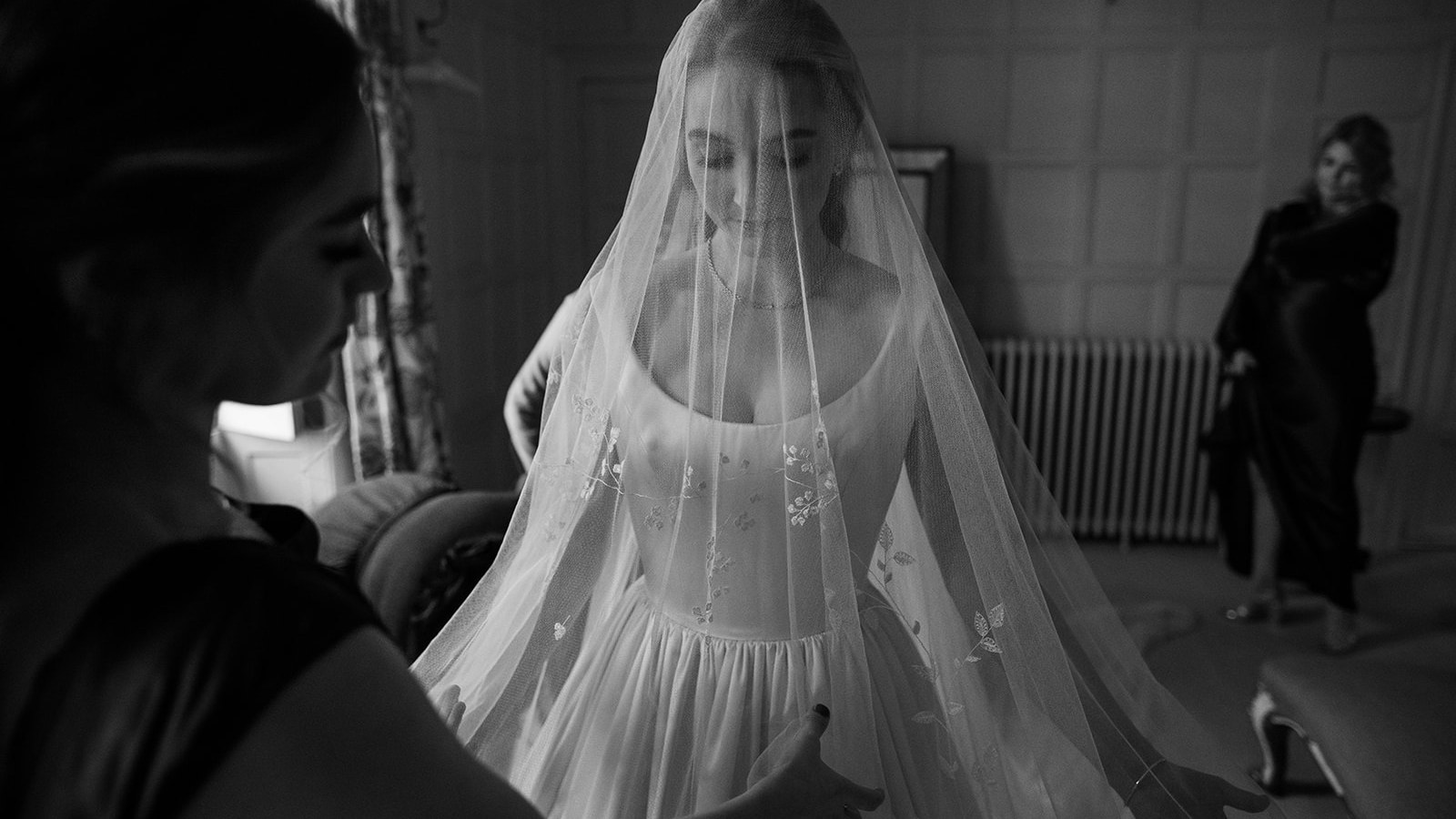
- Bring your veil and any hair accessories
- Bring jewellery you'll wear on the day
- Photos of looks you like for reference
The goal is to leave the trial with a clear picture of your wedding day look. The more context your stylist has, the better they can help you achieve it.
How long does a trial take?
Expect to set aside a good chunk of time. "Trials typically take around two hours," says Duparcq. This allows time to:
- Discuss your vision and preferences
- Try different styles or variations
- Make adjustments based on your feedback
- Take photos from different angles
- Agree on the final look
If you're having both hair and makeup done, the trial may run longer. Some artists do combined trials; others prefer separate sessions. Check with your stylist when booking.
When should you get your last haircut?
Timing your final cut and colour matters more than you might think.
"For most cuts and colours, two weeks before the wedding day is the optimum time," advises Duparcq. "The ends of your hair won't be super blunt and your hair dye won't be super fresh. It will be lived in a little bit."
However, there's an important exception. "When we're talking about full fringes, two weeks might be too close if too much hair is taken off. I'd recommend for any full fringe a month to three weeks before, to make sure if it's too short, it's got time to grow."
How much do trials cost?
Trial costs aren't always included in wedding packages. Budget for this as a separate expense.
"Different artists price differently," explains Duparcq. "Some will price as a package and give brides one to three different packages to choose from, which may include the trial cost. Others prefer an à la carte menu and list everything separately."
For standalone trial pricing: "On average, trials cost anywhere between £100 and £200 per service. So for hair only, expect between £100 and £200 for a trial."
When booking, ask specifically: "Is the trial included in your package, or is it an additional cost?" This avoids surprises.
Frequently asked questions
Can I have more than one trial?
Yes, though you'll likely pay for additional sessions. If you're unsure after your first trial, book another. It's better to spend an extra £100-£200 than feel uncertain on your wedding day. Some artists include a second trial in their premium packages.
Should I bring anyone to my trial?
That's personal preference. Some people want their mum or a bridesmaid there for opinions. Others prefer to make the decision themselves without input. Discuss with your stylist if you're bringing guests, as some studios have space limitations.
What if I hate the trial look?
Speak up during the session. Trials exist precisely for this reason. A good stylist wants your honest feedback and can adjust on the spot. If you're still unhappy, it's better to find a different artist now than discover the issue on your wedding morning.
Do I need a trial if I'm having simple hair and makeup?
It's still recommended. Even a "simple" look benefits from testing products on your skin, seeing how styles photograph, and building rapport with your stylist. The trial also confirms timing, which matters for your wedding morning schedule.
What happens if my hair changes between the trial and the wedding?
Tell your stylist. If you get a dramatic cut, change your colour significantly, or notice any issues, let them know before the wedding day. Minor growth or fading is expected and your stylist will adapt.
- Your trial is insurance against wedding-day surprises. Book it 6-8 weeks out, come prepared with your accessories and an open mind, and use the time to communicate honestly with your stylist.
- The best trials end with you feeling confident and excited. If you leave uncertain, speak up. There's still time to adjust, try again, or even find someone new. That's exactly what the trial is for.